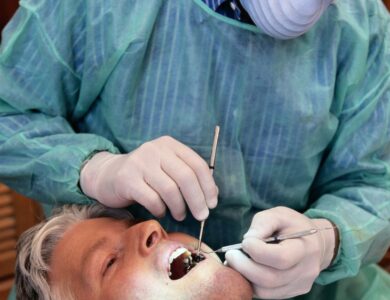
Deep Tooth Decay Treatment Options: Saving Your Teeth Effectively


Deep Tooth Decay Treatment Options: Saving Your Teeth Effectively
Deep tooth decay, also known as extensive cavities, is a serious dental issue that occurs when tooth decay progresses beyond the enamel layer, potentially reaching the dentin or even the pulp (the tooth’s nerve). This deeper level of decay carries significant risks, including severe pain, infection, tooth sensitivity, and ultimately, tooth loss. Prompt and appropriate treatment is crucial to prevent complications and maintain your oral health. In the United States, dentists offer a range of effective solutions for managing deep tooth decay, ranging from conservative fillings to more complex restorative procedures.
Understanding the severity of the decay and the health of the surrounding tooth structure is the first step towards choosing the right treatment. A dentist will typically perform a thorough examination, often including X-rays, to assess the extent of the decay and determine the best course of action. The goal is always to preserve as much healthy tooth structure as possible while effectively treating the decay and preventing future problems.
Understanding Deep Tooth Decay
Deep tooth decay signifies that the cavity has penetrated the protective enamel layer, reaching the softer dentin layer beneath. In severe cases, the decay can extend into the pulp chamber, where the tooth’s nerve tissue resides. This can lead to pulpitis (inflammation) and potentially lead to a dental abscess, an infection that can spread to other parts of the body. Symptoms of deep decay often include sharp pain, especially when eating or drinking hot/cold temperatures, extreme sensitivity, tooth discoloration, and sometimes swelling in the gums.
It’s essential to seek dental care immediately if you suspect deep decay. Delaying treatment can lead to more complex problems, including bone loss around the tooth, further infection, and the need for more extensive treatment, potentially including tooth extraction.
Conservative Treatment Options: Minimizing Intervention
When possible, dentists prioritize conservative treatments aimed at saving the natural tooth structure. These options are often suitable for less severe deep decay or when the tooth is still structurally sound.
- Deep Filling (Amalgam or Composite): This involves filling the cavity with a restorative material. Amalgam (silver fillings) or composite resin (tooth-colored fillings) can be used. These fillings effectively seal the decay, preventing further damage and infection. The depth of the filling will directly correspond to the depth of the decay.
- Dental Bonding: This procedure uses a tooth-colored composite resin material to repair cavities. It’s often used for smaller to moderate deep cavities, especially on front teeth where aesthetics are important. The material is applied, hardened with a special light, and sculpted to match the tooth’s shape.
- Dental Sealants: While primarily used to prevent decay on chewing surfaces, sometimes a deep sealant can be applied over a filling or used in conjunction with other treatments, particularly on molars, to further protect against future decay.
Restorative Treatments: Replacing Damaged Tooth Structure
When conservative treatments are insufficient, or the tooth is significantly weakened, more invasive restorative options are necessary. These treatments involve replacing the lost tooth material.
- Crown (Cap): A crown is a tooth-shaped cap that covers the entire visible surface of a tooth. It’s often required for deep cavities, especially when the tooth is already weakened or when a large filling is needed. Crowns provide strength, durability, and protection for the remaining tooth structure. They are typically made from materials like porcelain, zirconia, or metal-ceramic alloys.
- Root Canal Therapy (RCT): If the decay has reached the pulp, causing inflammation or infection (pulpitis), a root canal is necessary. This procedure involves removing the infected pulp, cleaning and shaping the root canals, and filling them with a biocompatible material. Because RCT often involves removing tooth structure and weakening the tooth, a crown is almost always recommended afterward to protect the tooth from fracturing.
- Dental Implant: In some cases, particularly if a tooth is lost due to severe decay that cannot be saved, or if the tooth is already extracted, a dental implant might be considered. An implant replaces the entire tooth, including the root, with a titanium post that integrates with the jawbone. This prevents bone loss and provides a natural-feeling replacement. It’s a more complex and expensive procedure than fillings or crowns.
Materials and Technology in Modern Dentistry
Modern dentistry utilizes advanced materials and technologies to improve treatment outcomes. Composite resins offer excellent aesthetics and bonding strength for fillings and bonding. Zirconia and porcelain are increasingly used for crowns due to their superior strength and aesthetics compared to traditional metal crowns. CAD/CAM (Computer-Aided Design/Computer-Aided Manufacturing) technology allows for the creation of same-day crowns, significantly reducing treatment time and chair-side visits. Digital X-rays provide clearer images for accurate diagnosis.
Prevention: The Best Defense Against Deep Decay
While treatment addresses existing problems, prevention is key to avoiding deep decay in the first place. Maintaining excellent oral hygiene is paramount. This includes brushing at least twice daily with fluoride toothpaste and flossing daily to remove plaque and food particles that contribute to decay. Regular dental check-ups and professional cleanings allow dentists to detect and treat cavities early, often before they become deep. Using fluoride toothpaste, mouth rinses, or professional fluoride treatments can further strengthen enamel. Limiting sugary and acidic foods and drinks also plays a significant role in preventing decay.
Deep tooth decay is a serious condition that requires prompt attention. The best treatment option depends on the specific circumstances, including the depth and location of the decay, the overall health of the tooth, and the patient’s individual needs. Consulting with a qualified dentist in the United States is essential for accurate diagnosis and a personalized treatment plan to save your teeth and maintain your smile.
🦷 NYC Dental Treatment Cost Estimator
Estimated price ranges for 65+ dental procedures in New York City — based on 2026 market data across all boroughs and provider types.
If you suspect deep tooth decay or have any questions about your oral health, schedule a dental check-up with your dentist today. Early intervention is the key to preventing further damage and maintaining your long-term oral health.